
Who Bikes? An Assessment of Leisure and Commuting Bicycling from the Canadian Community Health Survey
People bicycling for leisure were more likely to be younger, male, higher income, and identify as white. Few bicyclists commuted by bike.
May 1, 2021
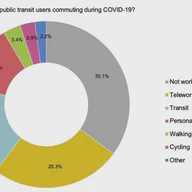
Changes in Commute Mode Attributed to COVID-19 Risk in Canadian National Survey Data
Out-of-home commute modes declined during COVID-19, with increases in telework. Commuting by public transit was most strongly associated with change in commute mode to avoid COVID-19 risk. Among pre-COVID-19 transit commuters, 18.2% continue to rely on transit, and personal motor vehicle use is more common (13.0%) than walking (3.4%) or cycling (2.9%).
Feb 12, 2021
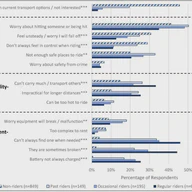
To scoot or not to scoot: Findings from a recent survey about the benefits and barriers of using E-scooters for riders and non-rider
E-scooters used more for transport than recreation, potentially filling a niche. Also viewed as convenient, faster, and better in hot weather than walking. Non-white non-riders significantly more likely to intend to try e-scooters. E-scooters disproportionately replace walking and bicycling for all trip types. Women significantly more likely to cite safety-related barriers to e-scooter use.
Sep 20, 2020
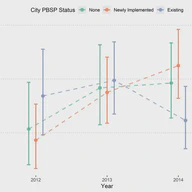
The Impact of Implementing Public Bicycle Share Programs on Bicycle Crashes
Data from 8 North American show the odds of reporting a bicycling crash were lower in cities that had existing PBSPs (Boston, Montreal, Toronto).
Sep 2, 2020
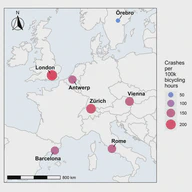
Cyclist crash rates and risk factors in a prospective cohort in seven European cities
Data from 7 European cities show higher crash risks for less frequent cyclists, men, those who perceive cycling to not be well regarded in their neighbourhood, and those who live in areas of very high building density.
Jun 1, 2020
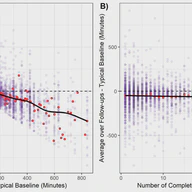
Impacts of study design on sample size, participation bias, and outcome measurement: a case study from bicycling research
In our case study we found that measuring bicycling once, resulted in a larger sample with better representation of sociodemographic groups, but different estimates of long-term bicycling behaviour.
Dec 2, 2019
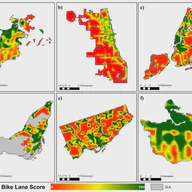
Associations between individual characteristics, availability of bicycle infrastructure, and city-wide safety perceptions of bicycling: a cross-sectional survey of bicyclists in 6 Canadian and U.S. cities
We found bicyclists with greater spatial access to bicycling specific infrastructure had a higher likelihood of perceiving bicycling to be safe.
May 1, 2019
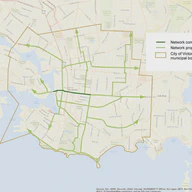
Impacts of Bicycling Infrastructure in Mid-Sized Cities (IBIMS): Protocol for a Natural Experiment Study
Study protocol for assessing impacts of bicycling infrastructure on mid-sized cities.
Jan 18, 2018
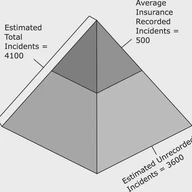
Cycling safety: Quantifying the under reporting of cycling incidents in Vancouver, British Columbia
Official safety data underreport the burden of cycling safety incidents. In Vancouver, British Columbia only 1 in 8 cycling incidents were reported to insurance claim. The burden of cycling safety incidents is much greater than official data sources suggest. Innovations are needed for cycling safety surveillance.
Dec 1, 2017
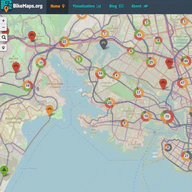
Comparing Crowdsourced Near-Miss and Collision Cycling Data and Official Bike Safety Reporting
Crowdsourced collision data have potential to fill in gaps in reports to official collision sources and that crowdsourced near-miss reporting may be influenced by perceptions of risk.
Jan 1, 2017